The real percentage
Are BOGO deals worth it depends entirely on one question the format is designed to stop you asking: did you want two?
Buy one get one free is 50% off, on the condition that you buy two. If you wanted two, that is an excellent price and among the better offers in retail. If you wanted one, you have paid full price for that one and acquired a second thing, and the saving is whatever the second thing is worth to you. For something perishable, bulky or simply unwanted, that is close to nothing.
The arithmetic is not difficult. What makes the offer effective is that the headline states a discount on the second item while your attention is on the first. The wider method for reading any price claim is is this a good deal.
Converting the headline into a real number
Every multi-buy offer becomes comparable once it is expressed as a price per unit for the quantity you will actually use.
Buy one get one free is 50% off two. Per unit, if you use both.
Buy one get one half price is 25% off two, not 50% off anything. This is the most commonly misread offer in any shop, because the number in the headline is the discount on the second item rather than on the purchase.
Three for two is 33% off three.
Buy two save $10 depends on the base price, which is exactly why it is phrased that way. On a $25 item it is 20% off two; on a $60 item it is 8%.
The habit that settles all of them: work out what you pay in total, divide by the number of units you will genuinely use, and compare that with the single-unit price elsewhere. Anything you will not use is not a unit.
Where it genuinely works
The offer is not a trick, and a page that treats it as one is as unhelpful as the marketing.
Staples with long shelf life and predictable consumption. Household goods, cleaning products, tinned food, batteries. You were going to buy the second one eventually, so buying it now at half price is a real saving with a storage cost of roughly zero.
Things that wear out on a schedule. Razor cartridges, filters, printer supplies. Same logic, and the consumption rate is usually known.
Gifts, when you genuinely have two people. A common legitimate case and worth naming, because it is where the second unit has full value rather than partial.
The test in all three is the same: would you have bought the second one at half price if it had been sitting on its own? If the answer is yes, take it.
Where it quietly fails
Four patterns, and the first is the most expensive.
Perishables. The offer is a bet that you will consume twice as much before it spoils, and the waste is a real cost that no percentage accounts for. On fresh food it frequently converts a discount into a loss.
Things that expire in other ways. Cosmetics after opening, anything with a use-by, anything tied to a season that will have passed.
Storage cost. Bulky items occupy space that has value, especially in a small home. Two of something awkward is not half price if it means living around it for six months.
The category you do not really use. A second unit of something bought optimistically doubles the optimism rather than the value. This overlaps with the honest-estimate problem in cost per use, and the discipline is the same: decide the quantity before you see the offer.
There is also a quieter failure. Multi-buy offers frequently apply to the larger pack size only, and the per-unit price of the larger pack was already higher. Converting to per-unit catches it; the headline hides it.
Bundles, which work the same way
A bundle is a multi-buy with different items, and it needs the identical treatment.
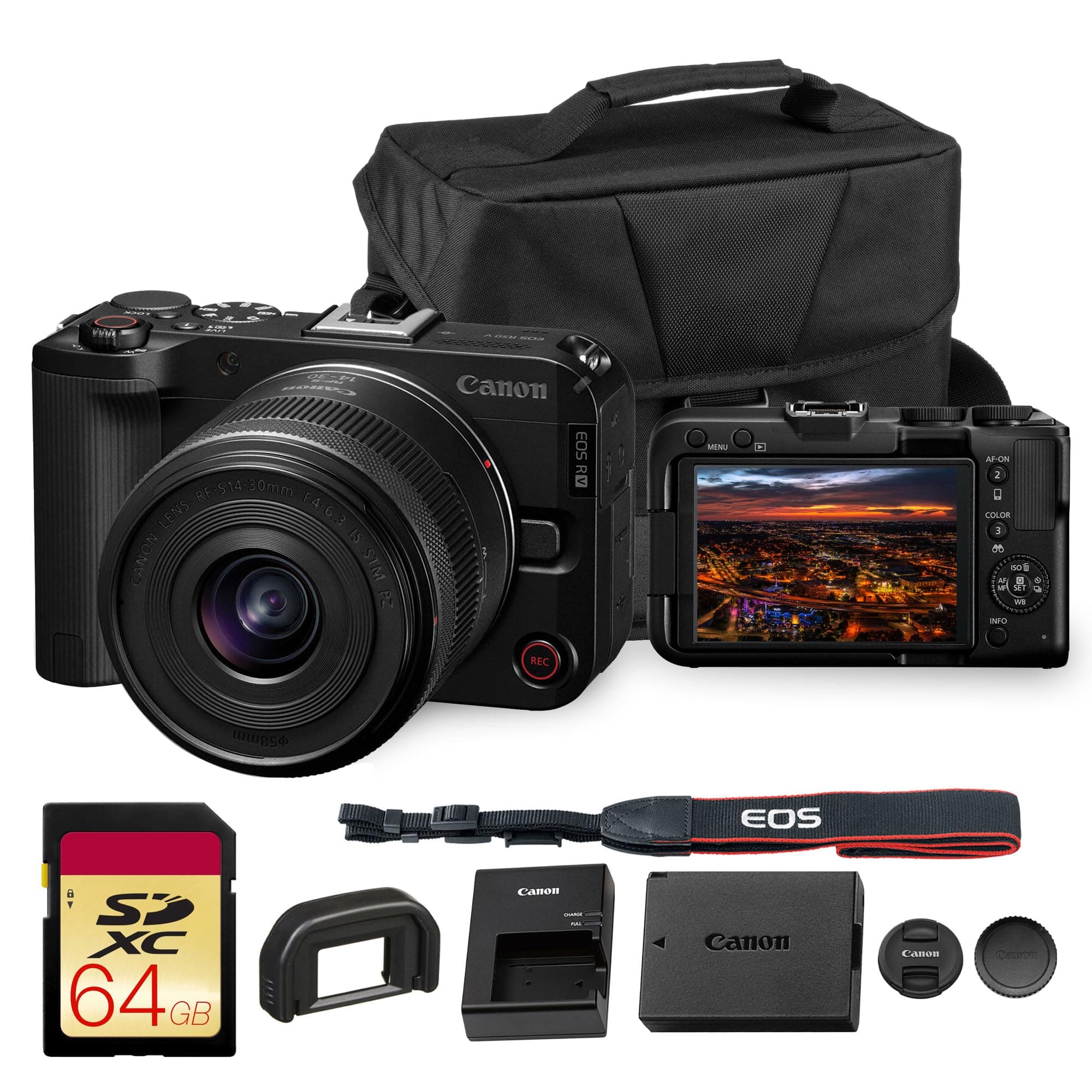
Price the components separately at what they actually sell for, not at the list prices the bundle page quotes, and compare that total with the bundle price. Bundles are frequently genuinely cheaper. They are also the easiest place in retail to include something with a high stated value and a low real one, because the saving is presented as the sum of list prices rather than of street prices.
The usual padding is accessories: cables, cases, cleaning kits, software licences, extended-warranty vouchers. Each carries a printed price nobody pays, and each inflates the apparent saving without changing what you get.
The question is the same as for BOGO. Would you have bought each component separately at the price the bundle implies? Anything you would not have is worth zero in the comparison, however much the page says it is worth.
When another offer would have been better
A multi-buy is one of several ways a shop can discount, and it is worth knowing which you are being offered, because they are not interchangeable.
A straight percentage off applies to one unit and requires nothing. A multi-buy requires quantity. A promotional code applies at checkout and frequently carries conditions of its own, covered in how to stack promo codes. A delayed benefit does not reduce today's price at all, which is the subject of cashback against an instant discount.
Ranked by how little they ask of you, a straight discount is best, a code is next, a multi-buy asks you to change the quantity, and a delayed benefit asks you to trust a future event. A 20% code usually beats buy one get one half price, which is 25% off two units you may not want.
Where several are available, they rarely combine. Most checkouts apply one, and the order matters: a percentage taken before a fixed amount produces a different total than the reverse. Read the basket rather than the offers.
Whether the base price was real
One check completes the arithmetic, and it applies to every offer on this page.
A multi-buy discount is measured against the single-unit price on that listing at that moment, which the seller sets. If that price sits above what the product usually sells for, the offer is a discount from an inflated base, and two units at a padded price can cost more than two units bought separately elsewhere.
So before taking any of them, check that the single-unit price is where it normally sits, using the product's own selling history rather than the badge. That check is the whole subject of how fake discounts work, and it is what turns a multi-buy from a claim into a number.
The one-line version: convert to price per unit you will actually use, check the base price is real, and ask whether you would have bought the second one on its own.
One more habit worth building. Decide the quantity you need before you look at the offers, in the same way you would decide a budget before looking at prices. An offer that changes how much you buy has done its job, and it was not your job.
Finally, watch the unit size. Multi-buy promotions attach disproportionately to the larger pack, and the larger pack frequently carried a higher per-unit price before the offer began. Converting everything to a price per item, per litre or per kilogram catches that in a few seconds, and it is the same conversion that settles almost every question on this page.