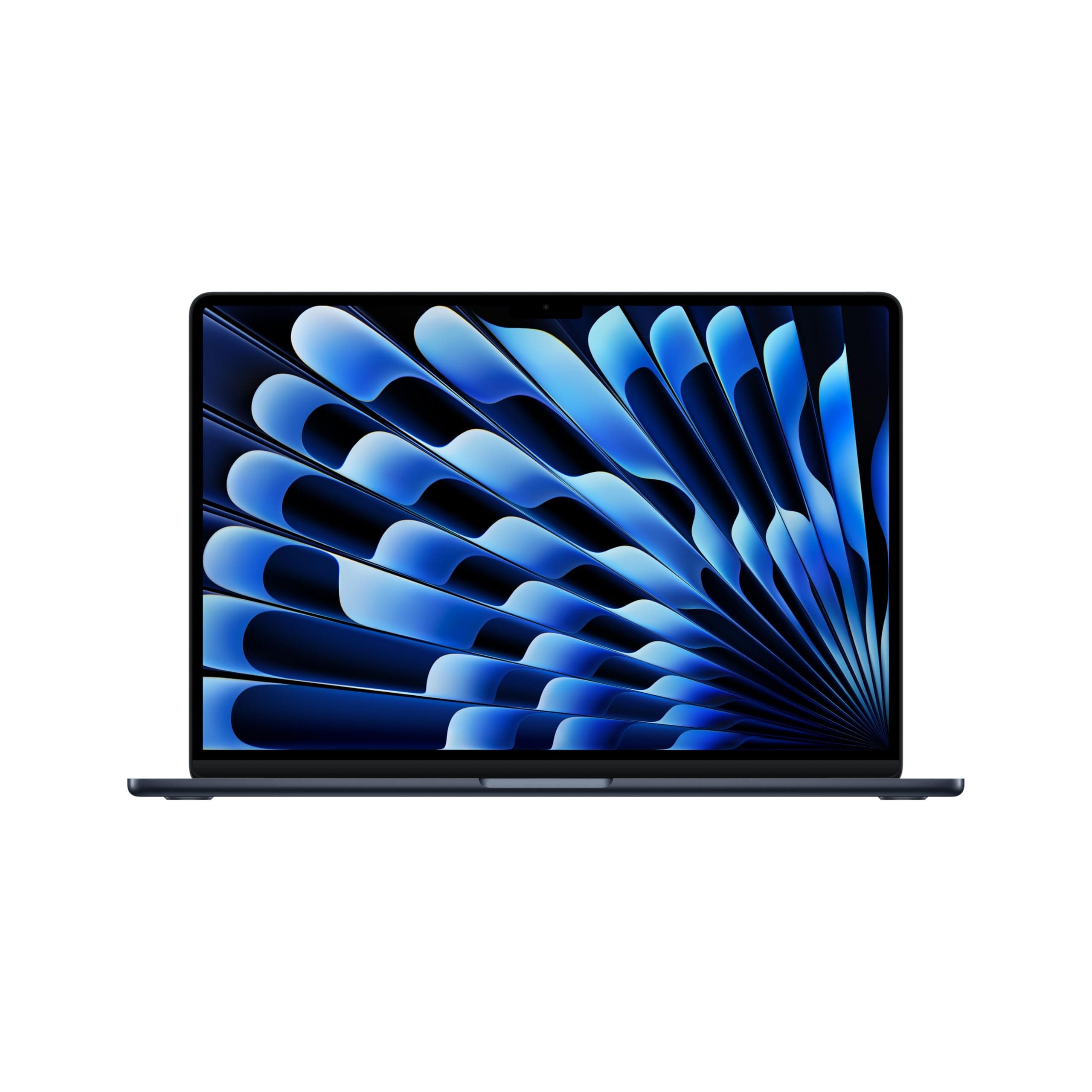
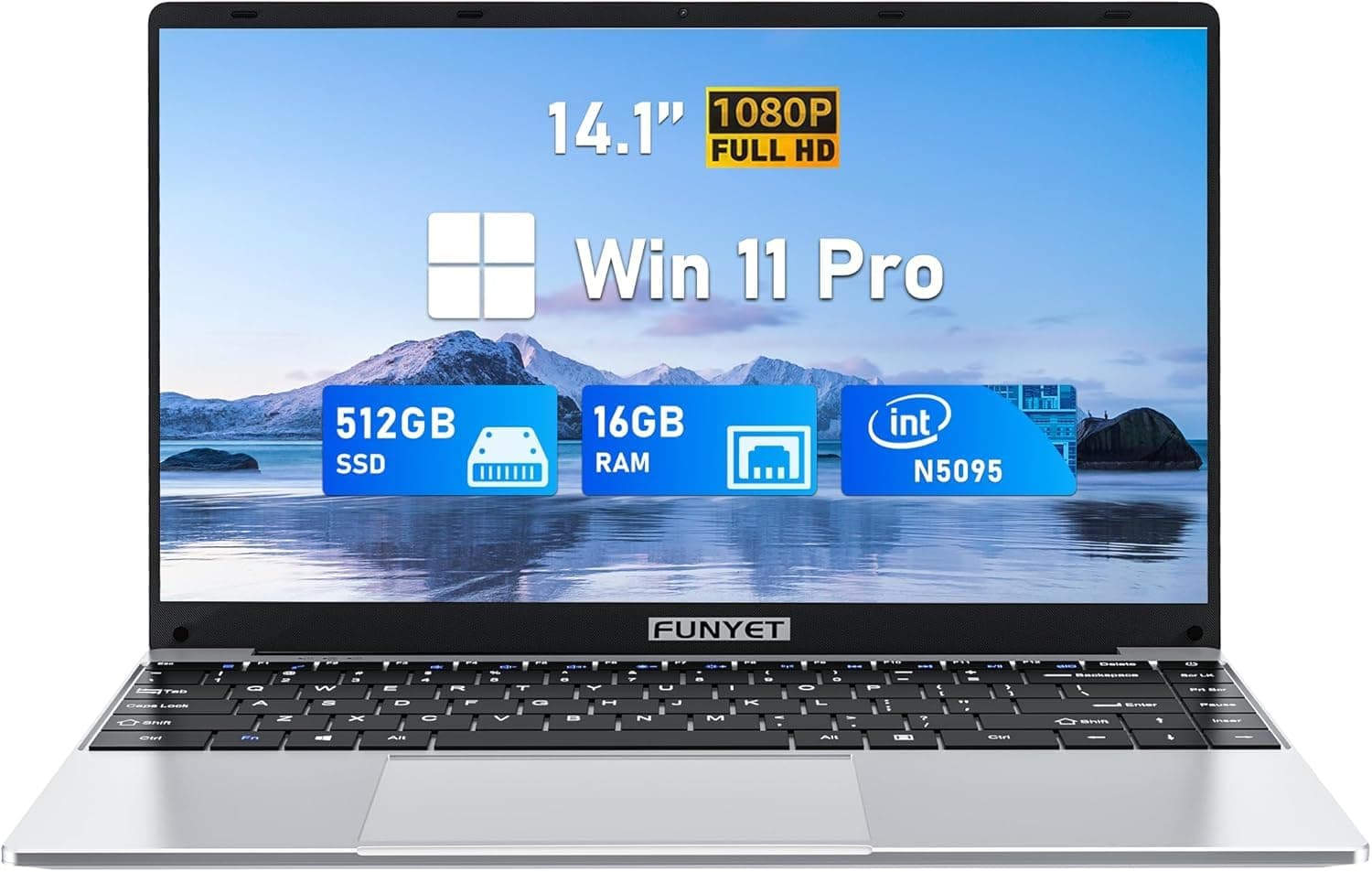
One factory, five names
White label and dropship brands account for a large share of any marketplace catalogue, and recognising them is worth more than reading any individual review.
The mechanism is straightforward. A manufacturer produces a generic item. Several sellers order it with their own logo, register a brand name, and list it separately. The five apparently different products you are comparing can be one product with five prices and five independent sets of reviews.
Dropshipping is a related arrangement with a similar result: the seller never handles the stock, which ships from a supplier directly. Both are legal, both are common, and neither makes a product bad. What they change is what you are actually comparing, and what you get if something goes wrong. The wider context is the Amazon buying guide.
How to recognise one
Six tells, and two or three together are conclusive.
An invented brand name with no website. Unpronounceable letter strings are the recognisable version, and a plausible-sounding name with no presence outside the marketplace is the same thing better disguised.
Identical product photography across listings. Frequently the same images with a different logo composited onto the product, or the same lifestyle shot appearing under three brands.
Specification tables matching word for word, including the same errors and the same odd phrasing. This is the strongest single tell, because two independent manufacturers do not make the same typo.
A catalogue spanning unrelated categories. A brand selling a kettle, a set of resistance bands and a car phone mount is a seller rather than a maker.
A registration date that is recent on a brand claiming heritage.
Reviews that describe a different product, which happens when a listing was repurposed or when the same review farm served several brands.
Checking the specification table against one other listing takes about a minute and settles most cases. The general skill of reading those tables is in how to read product specifications.
When the cheaper identical listing is the right buy
This is the part most coverage gets wrong, because the tells above read as warnings and frequently are not.
If two listings are the same factory output and one is cheaper, the cheaper one is the better purchase. You are not getting less product; you are getting the same product without a marketing margin. For undemanding categories that is a genuinely good trade and it is available constantly.
Where the identical-product finding really pays is in the opposite direction: it tells you the more expensive listing is charging for a name with nothing behind it. That is the same finding as an unsupported brand premium, covered in the signs a product is overpriced, and it is one of the few checks that reliably saves money on a product you were going to buy anyway.
The categories where this applies best are ones with mature engineering and low consequence: cables, basic accessories, storage, simple kitchen items, phone stands. Nothing is being designed; something is being assembled to a specification everyone shares.
What you give up
Three things, and they are consistent enough to price.
Continuity. No guarantee that next year's unit is the same design. A white-label brand switches supplier when the economics change, so a repeat purchase can be a different product with the same name and the same listing.
Support and parts. Little long-term warranty support to speak of, no replacement parts, and frequently no way to contact anyone after the return window. On anything with a consumable component this is the whole cost.
Accountability. A brand with a reputation has something to lose. One registered last year does not, which matters most in categories where a failure is expensive or unsafe.
Which gives a clean rule. Ask whether this purchase needs a brand behind it. A phone stand does not. A car seat, a charger, a smoke alarm, anything load-bearing or electrical does, and there the premium for a manufacturer who will still exist in three years is not a premium at all.
Finding the cheaper identical listing
Once you recognise the pattern, the useful move is to find the same product under a different name, which is usually a two-minute exercise.
Search a distinctive phrase from the specification table in quotes. Copied tables mean copied phrasing, and a search on an unusual sentence surfaces every listing that shares it.
Search the model number if one is given. White-label products frequently keep the factory model number even when the brand changes.
Reverse-search the product image. The same photography under three brands is the clearest possible confirmation, and it takes seconds.
Compare the dimensions and weight rather than the feature list. Two listings with identical measurements to the millimetre are the same item.
Then compare prices, including per-unit where pack sizes differ, and check each listing's own price history rather than only today's figure, because one of them may simply be having a good week.
One caution. Identical specifications do not always mean identical build; a factory can run the same design at two quality levels for two buyers. Where the reviews on the cheaper listing describe failures the dearer one does not, believe the reviews.
Reading the reviews on one of these listings
Review histories on white-label listings behave differently from those on established brands, in three ways worth knowing before you weigh a rating.
The reviews are split across the clones. Five brands selling one product means five separate review pools, so a listing with forty reviews may describe a product with two thousand. Reading the pools on the other listings is legitimate research, and it is the fastest way to get a real sample.
The pools drift apart. The cheapest clone frequently has the worst reviews, and that is not always a quality difference. Price attracts a different buyer with different expectations, and it also attracts the returns.
The history may not be the product's. These listings change supplier without changing the page, so older reviews can describe a design that is no longer shipping. Sort by recent and weigh the last few months heavily.
The general method for judging whether a review pool means anything is in how to spot fake Amazon reviews. On a white-label listing, add one question to it: are these reviews about this version, or about whatever the page used to sell?
Dropshipping, and what it changes
A dropshipped order ships from a supplier the seller never sees, which produces four predictable consequences.
Longer delivery, sometimes substantially, and frequently from a different country than the listing implies.
A seller who cannot inspect what they sold you, so a description error is discovered by you rather than by them.
Slower returns, because the goods have to go back further, and occasionally a seller who would rather refund than receive the item.
Prices that can be well above the source, since the arrangement costs the seller nothing to run and the margin is the entire business.
None of that is fraud, and much of retail has always worked this way. What is worth knowing is that a long stated delivery window on an inexpensive generic item is frequently this arrangement, and that the same item is often available elsewhere for less.
The check that covers it is the one this cluster keeps returning to: find out who is selling it, and decide whether that matters for this particular purchase. Where it does, the detail is in avoiding counterfeits on Amazon, which shares the same underlying question about where stock actually comes from.