Point 01
Ten checks across a short period carry less weight than a longer record with real price changes.
Paste a product link. Get one independent Tick, Clip, or Skip verdict backed by price history.
How TickClip checks a deal
A sale label is the seller's comparison. TickClip checks the offer against price history and available evidence before making a buyer-side call.
15% coupon
Sale labels
List prices and coupons do not show whether today's price is low.
90-day average
Price history
Compare the offer with its recent average, tracked low, and movement.
Skip
Clip
Tick
Buyer-side verdict
The result answers whether this offer deserves your money now.
Evidence behind the call
The checked price anchors the analysis. The verdict states what the available record supports without turning thin evidence into certainty.


Point 01
Ten checks across a short period carry less weight than a longer record with real price changes.
Point 02
Coupons may appear only after activation, shipping can change the total, and one ASIN can hide several offers.
Point 03
TickClip keeps the matched product visible so you can catch those differences.
Point 04
If the record is stale, volatile, or contradictory, the result also stays inconclusive.

Tick — buy
This checked listing returned a Tick at 85/100 with 100% confidence. Its $12.39 price sat slightly above the $11.97 90-day average and above the $11.88 tracked low, so the result was a qualified buy signal rather than a claim of a record low. The check also found a review-volume pattern worth keeping in mind, which is why the evidence panel matters alongside the headline decision.
Current price
$12.39
90-day average
$11.97
Tracked low
$11.88
Confidence
100%
Check the real saving.
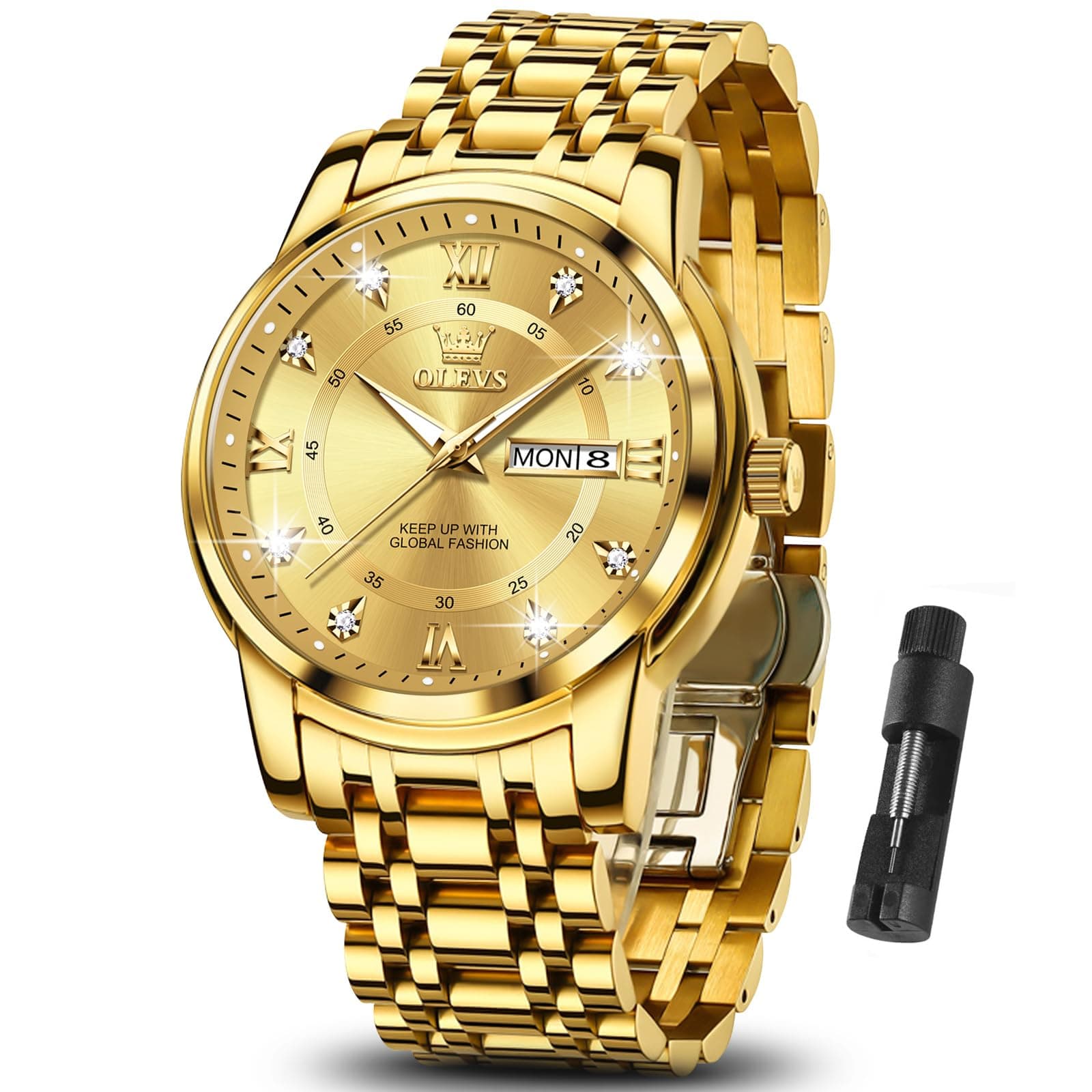
OLEVS Gold Watch
Aug 21, 2026
Advertised discount
$368.00
Above usual price
90-day average $42.41
See price changes.
Price history
Aug 21, 2026
Checked price
Observed low $11.88
8 Jun to 10 Aug 2026
Spot rating spikes.
Review signals
Aug 25, 2026
181
30 May
3,092
25 Aug
Volume spike
181 to 3,092 ratings
The tool answers one listing. These explain the pattern it is testing for, and what to do when the numbers disagree.
A discount is only real if the price it is measured against was real. Here is how inflated reference prices are built, how to read a price history against them, and why cashback is never a lower price.
Some are, substantially. Others are the same price the product held in September with a percentage attached. The difference is visible in the price history, and only there.
FAQ
The checker starts with the current selling price and compares it with the listing's tracked history. It gives priority to the 90-day average, uses a 30-day average when the longer window is unavailable, and considers the tracked low, price movement, review signals, seller context, and confidence. The final Tick, Clip, or Skip is a bounded decision about the available evidence, not a promise that the price will not change.
Tick means the current evidence supports buying now. Clip means the listing may be worth watching because the price, timing, or supporting signals are not strong enough for an immediate buy. Skip means the value or risk profile falls below the buying threshold. Each decision can still carry caveats, so read the price facts and confidence beside the headline instead of treating the label as a guarantee.
A sale badge usually compares today's amount with a reference chosen by the listing, not with the price shoppers actually saw over time. The reference may be a list price, a previous seller amount, or a short promotional peak. A product can therefore show a large percentage discount while sitting near its normal price. Price history supplies the missing context and makes repeated promotions easier to recognize.
The 90-day average is a recent baseline for the same tracked listing. Comparing today's price with that baseline helps separate an unusual dip from a routine sale banner. It does not predict the next price or capture every marketplace variation. Use the average together with the tracked low, the number of observations, freshness, and confidence to understand how much weight the comparison deserves.
The result stays completed but becomes inconclusive when the listing does not have enough reliable history for a defensible comparison. The checker does not invent an average, treat a list price as proof, or turn a missing signal into a strong recommendation. You can still review the product details and return later as more observations accumulate. Thin history is a limitation of the evidence, not an error in your input.
Start with the Amazon.com product link for the exact variation you are considering, or paste its 10-character ASIN. Size, color, pack count, and seller changes can point to different offers with different prices and history. Check the returned product title before relying on the decision. If the listing cannot be matched cleanly or its evidence conflicts, TickClip keeps the result cautious rather than silently switching products. Verify model codes, bundle contents, fulfillment ownership, return eligibility, and regional restrictions before submitting the check.
Paste a product link or describe what you need. You will see the recommendation, the evidence behind it, and what TickClip is not sure about.
Start freeNo account needed.