Step 01
Capture the exact Amazon listing and offer
Record the model, variation, seller, current price, and crossed-out reference so the comparison starts with the right product.
Compare the claimed discount with price history before you trust the sale label.
A discount is only real if the price it is measured against was real. Amazon's percentage compares today's offer with a crossed-out reference the seller chose, and nothing obliges that reference to be a price the product ever sold at. So the test is to ignore the badge and compare today's price with what this listing has actually been selling for. If today sits near its own recent average, the saving is close to nothing however large the percentage looks.
How the verdict is calculatedWhy Amazon discounts can mislead
Amazon's sale percentage compares today's offer with a displayed reference price, not the price shoppers usually paid. TickClip checks recent selling history to measure the saving the listing can actually support.

A $50 offer can display 75% off against a $200 reference even when the same product spent most of the last 90 days near $52.
TickClip keeps the retailer's crossed-out reference separate from the observed 90-day selling price, so the marketing claim and real saving never become the same number.
Displayed reference
$368.00
90-day reference
$42.41
Today
Amazon fake discount example
This OLEVS Gold Watch listing fell from a displayed $368.00 to $42.77, but its 90-day reference was $42.41. The advertised markdown looked dramatic while the current offer was actually about 1% more expensive than recent history.
Current price
Crossed-out price
90-day reference
Permanent verdict
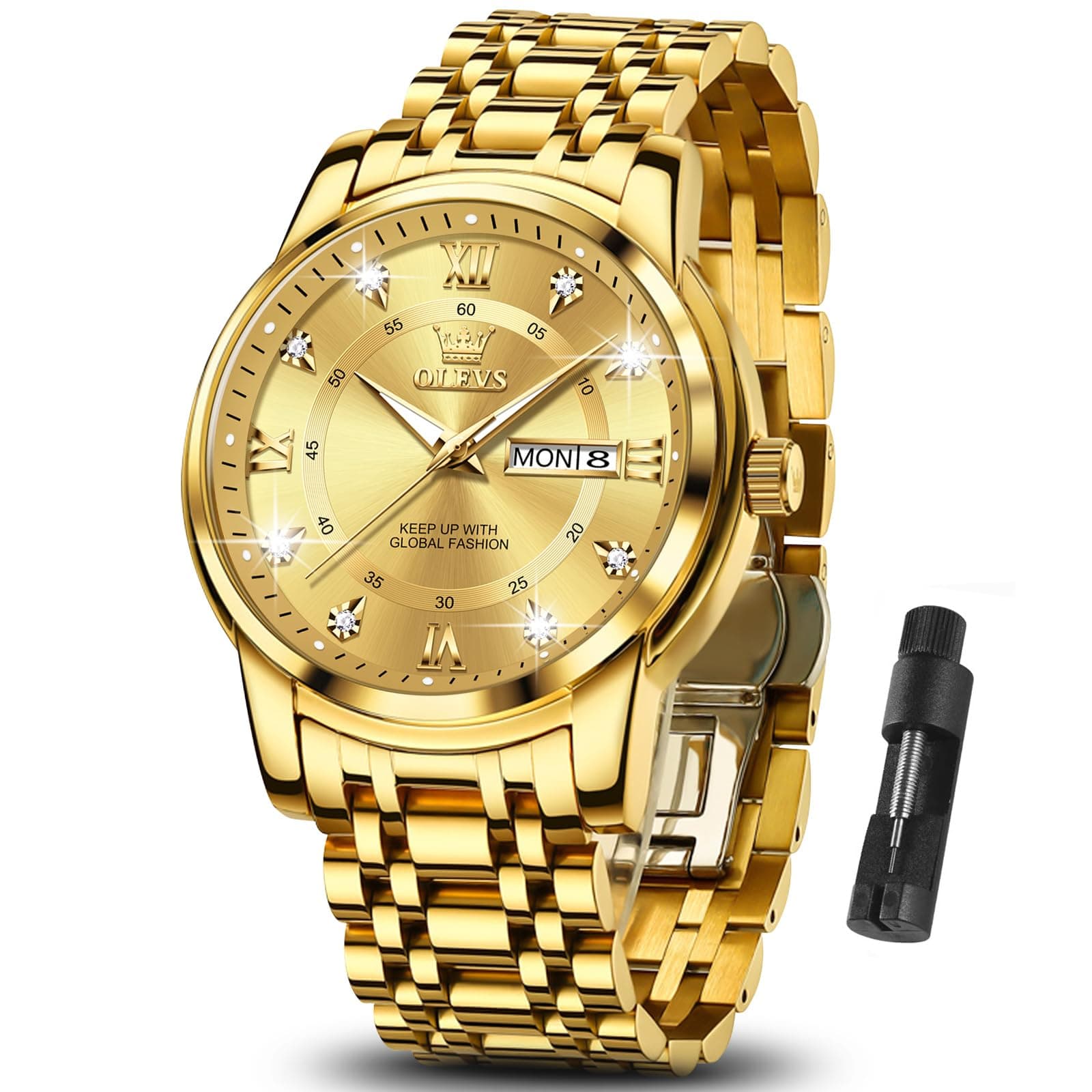
OLEVS Gold Watch
90-day price check
The crossed-out reference made an ordinary price look like a rare bargain. Recent selling history did not support the advertised saving.
How the Amazon fake discount checker works
Paste an Amazon product URL or ASIN. TickClip follows the same evidence path every time, explaining both the advertised markdown and the saving supported by recent prices.
Record the model, variation, seller, current price, and crossed-out reference so the comparison starts with the right product.
Measure today's offer against observed selling prices instead of assuming the displayed reference was the normal price.
See whether the saving looks credible, overstated, inflated by the reference price, or unsupported by enough history.
Know when to buy.

Febreze Odor Fighter
Aug 21, 2026
Checked price
90-day average
$11.97
Worth buying
Tick · 85/100
See price changes.
Price history
Aug 21, 2026
Checked price
Observed low $11.88
8 Jun to 10 Aug 2026
Spot rating spikes.
Review signals
Aug 25, 2026
181
30 May
3,092
25 Aug
Volume spike
181 to 3,092 ratings
The tool answers one listing. These explain the pattern it is testing for, and what to do when the numbers disagree.
A discount is only real if the price it is measured against was real. Here is how inflated reference prices are built, how to read a price history against them, and why cashback is never a lower price.
Nobody invents lies about prices. The mechanism is duller than that, which is exactly why it works so well and lasts so long.
FAQ
The strongest signal is a displayed list price far above the product's recent selling history, especially when tracked list-price changes show a recent increase. TickClip describes that as an inflation signal rather than proof of intent.
The advertised markdown compares today's amount with the listing's displayed reference. The real saving compares today's amount with the observed 90-day selling reference, or a clearly labeled 30-day fallback when longer history is unavailable.
Today's price can be below recent history while the crossed-out reference exaggerates the size of that saving. The purchase may still offer value, but the displayed percentage deserves caution.
Only when the captured product data reflects them in the current price. Activate coupons and confirm Prime, subscription, shipping, tax, variation, and seller details at checkout because targeted or conditional reductions may not appear in the tracked snapshot. Preserve the basket breakdown when stacking credits, rebates, or membership rewards because post-checkout adjustments need a separate audit and reconciliation trail.
TickClip does not replace the missing retailer reference with a historical average. Without both a displayed reference and usable selling history, the fake-discount result stays inconclusive.
No. It refreshes the same canonical product verdict used elsewhere on TickClip. The Fake Discount Checker changes the evidence order and risk language while the shared verdict engine remains the only source of Tick, Clip, or Skip.
Paste a product link or describe what you need. You will see the recommendation, the evidence behind it, and what TickClip is not sure about.
Start freeNo account needed.